Rising Voices is a project to extend the reach of citizen media globally - Details Here


Archive for the ‘Updates’ Category

The Furious Blizzard

Tuesday, October 13th, 2009

Endemic corruption, increasing social inequality, and lackadaisical governance are the principal causes of pitiable implementation of both international and national environmental policies. Wealthy nations fool around with the climate change deal. There is either no or little improvement on the new targets for the developed nations that are party to the Kyoto Protocol to cut their emissions. The just ended UN climate change negotiation meeting in Bangkok fundamentally failed to deliver any substantive development on targets, posing serious questions about the political dedication of the industrialized nations on climate change. Since the United States is the major carbon emission producer in the world, President Barrack Obama could have done the world a great honor by rejecting the untimely Nobel peace prize by singing the Kyoto Protocol.

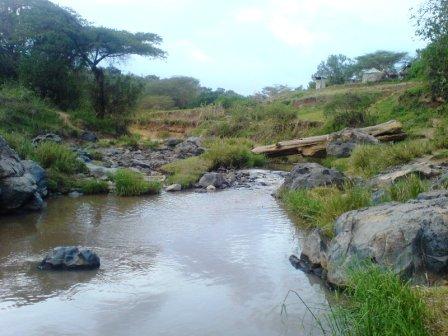
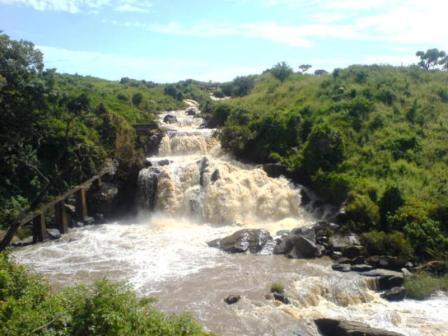
Ewaso Ngiro River in Narok

Poor nations are the most affected by effects of climate change, something that as prompted African nation to gang up for the Copenhagen meeting. More than fifty Members of Parliament from African countries are meeting for three days at the UNEP Headquarters’ in Gigiri Nairobi with an aim of coming up with a common stand in readiness for Copenhagen after shameful failure in Bangkok. Anyway the Copenhagen meeting could just be one of the many talks shows aimed at audacious nuclear power show of while millions of lives are destroyed daily as a result of environmental pollution form the carbon emission.

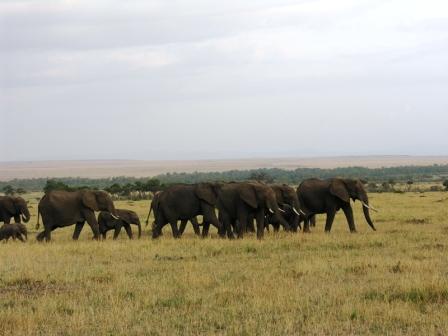
Game

Poor environmental management strategies have been cited as the main causes of deforestation. Most developing nations are not governance compliant, good governance is development centered values quality life of its citizens, and respects integrity for prosperity. The legislature, the executive, and the judiciary serving under the banner of ethnicity have done this country (Kenya) a grand environmental defilement. Nearly two years after efforts were renewed to save the water towers of Mau Forest complex, politics has taken the centre stage and little action seems to be taking place. The gluttonous human settlement in the Mau Forest fueled by the politicians from the Kalenjin Community in Rift Valley in the name of saving our people is causing the rivers leaving Mau forests which replenish many lakes including those essential to the tourism industries to dry up.

The gratuitous phenomenon of destruction of the water towers in Kenya is already unleashing ramifications that are beyond redemption. The world greatest spectacle and tourist attraction, the migration of the wildebeest across the Mara River in the Masaai Mara Game Reserve in Kenya is slowly loosing its spectacular magnetism; it is a slap of the unforgiving Mother Nature. Scenes like these will die out if water towers that feed such rivers are not conserved. Some major Rift Valley lakes (Nakuru and Elimentataita) which are also homes to flamingos are at the brink of extinction; among other consequences of climate change in Kenya has been the declining rainfall which in turn has lead to lower resources for hydropower and scarcity of water for agriculture and domestic consumption. As result of persistent drought livestock farmer’s from the pastoralist communities are burying carcasses of dead livestock.

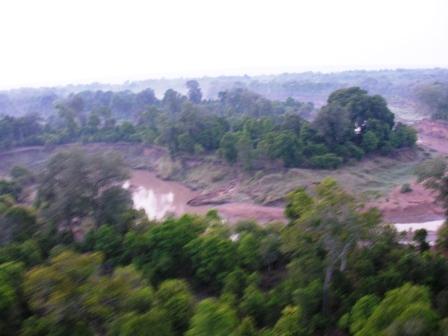
Mau Complex

The third world nations should take advantage of the situation by putting there best brains at work. Currently in eastern Africa the drought is causing havoc, no water for the livestock, the water level in the main hydropower dams is down, domestic water supply dams are drying up, soon the El-Niño rains will start and many will be caught unaware. Lives will be lost property worth billions destroyed. Along side the national disaster policy the poor nations should develop national water harvesting strategic policy. The policy should effectively address approaches of reducing effects of drought by storing water during rainy season for use during dry spells. The water banks can play critical role during dry season by offering livelihood to the poor and the marginalized livestock farmers who occupy vast communal grazing fields.

The water banks will successful replace traditional agricultural ideology of depending on the rainfall as the only source of water yet global rainfall patterns are changing. Alternative farming systems and technologies like organic farming should be encouraged among communities. Recently in Kenya the government was buying emaciated livestock from the pastoralist community at a fare price, what a bright idea, but the government should think of more sustainable ideas like livestock insurance policy for the arid and semi arid parts of the republic. The government could also set up state-run slaughter houses at the regional level instead of a meat processing factory in its capital city Nairobi; this will create employment at the community level.

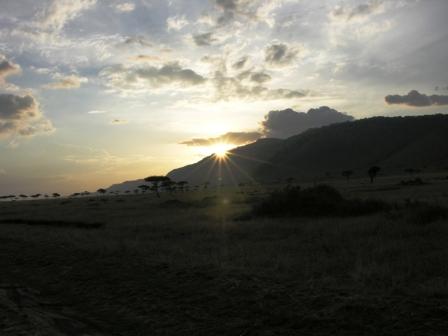
Climate Change

Global warming and man’s social economic activities have led to the degradation of earth’s single most and very significant natural resource, the forests. With increased violation of principles of conserving these regions globally, poverty and unemployment, reduced water levels in reservoirs and non sustainable agricultural practices have rendered many within third world countries to suffer food shortages. With well planed strategies the third world countries will effectively address the issue of food security. With modern technology the sun may not be a problem as such, the question is how do we tame and convert solar energy to domestic and industrial use. Wind energy is also one of the most assumed sources of energy in Africa yet it is a common phenomenon in semi and arid areas of sub-Saharan Africa.

Webuye Fall in Western Kenya

It is time for African states to utilize their technological think tanks to eradicate corruption, dictatorship tyranny and buffoon style selfish and self styled ideologies and principles of leadership. It is also important for developed economies to stop maximizing on the abject poverty in the third world by embracing realistic holistic, inclusive and comprehensive development agendas that are aimed at reducing human suffering. By reducing emission and by supporting developing nations environmental conservation initiatives and by listening to the human suffering and taking preventive action the world will reduce environmental disasters hence reduction of rescue missions.

WORLD AIDS DAY- MR. AND MISS RED RIBBON 2008

Wednesday, December 3rd, 2008

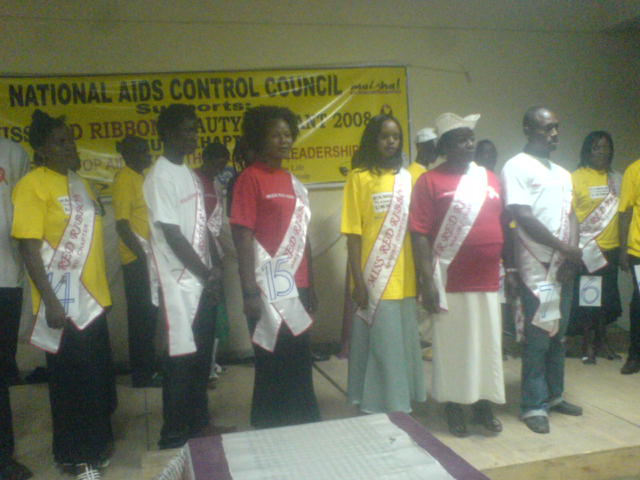
miss red ribbon

The event started off with a word of prayer from of the participants, then followed by a brief introduction history  of the event  by Collins Dennis Oduor of REPACTED  before the introduction of the event MCs James Karongo and Moses Mwangi. The entrance of the day’s MCs James Karongo and Moses Mwangi and a brief speech about the history of Miss Red Ribbon, it’s challenges, aims and objectives. Voice of roses, one of the hosts kicked off the occasion with a tantalizing dance. This was followed by a choral verse prepared and presented by B.I.G aka Big Africa arts group. As the judges were preparing themselves for the task ahead, Pamoja Band played some requests and Sauti  Afrique serenaded all the mothers in the house with a harmonious song appreciating women’s contribution to life. The judges for the day were Joab Omondi Otieno from Rift valley Institute of Hair Dressing, Rose Ndanu Morris Programme Co-ordinator I-Cross, Steve Waweru, Head of Marketing Tracom college, Jane Wamaitha Kigotho Jomo Kenyatta University of Agriculture and technology JKUAT.

After a brief interlude the final song from Sauti Afrique and voice of roses the long wait ended and the models were finally called up on stage and formally introduced to the audience.

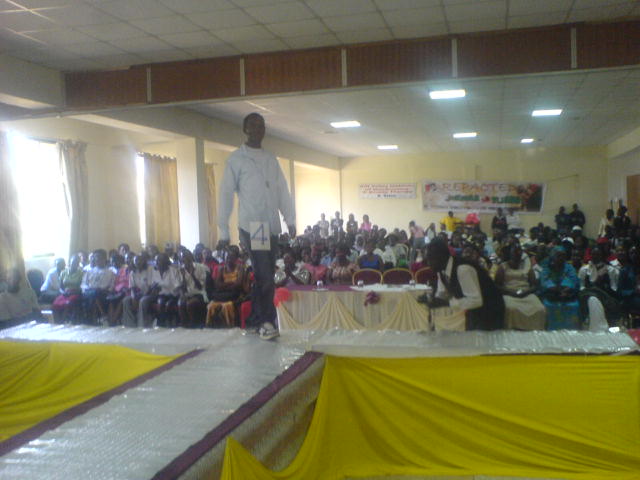
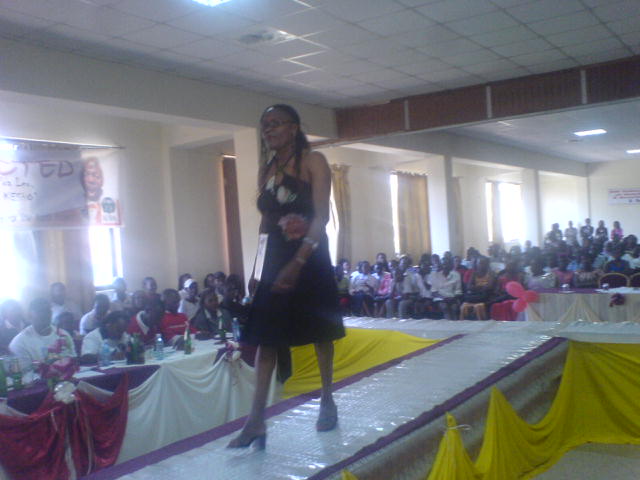
Lawrence Mwai, Abdalla Abdullahi, Daniel Mwangi, Uhuru Cleopas, Peter Ayiera, Nassir Omar, Peter Onyango, Jane Adero, Sylvia Wanjiru, Nancy Njoroge, Elizabeth Maina, Naomi Maina, Asha Kipng’etich, Alice Njoki, Jane Wahu Chege, Mary Njoki, Maureen Akinyi, Diana Abwayo and scholastica Juma were to fight for top honors of the miss red ribbon 2008. Uprising comedians staged an act before the first category Casual wear was launched. The crowd was quickly on their feet as they cheered their favorites enthusiastically as the models walked through the run way show casing their collection and designs.


 MC JEX entertained the guests with a rap song on the importance of healthy living and Makry Group presented their award winning Choral verse on drug abuse as the contestants prepared for the next category, of official were a few surprises in this category as the models emerged looking crisp and clean in suits. It was clear that at the moment stigma was completely missing in the hall has both the positive and negative models shared the stage in the colorful category.

 During the intermission Voice of roses took the stage followed by SAWWA dancers from REPACTED who showed a little of what they are made of. Friends of Lake Nakuru made a cameo to spice things up. The Models then rolled out in Traditional wear as the pageant progressed without incident or accident. The traditional wear well brewed and finished to the African cultural test was a show of courage in fight against stigma.

 Genesis Arts Creations did their trademark Salsa dance before the crowd was left shell shocked when Recording artiste, Mejja, of Calif Records popped in through the main door. He dropped his hit single Kwani jana kuliendaje among others. The single on the danger of alcohol has a predisposing factor was thematic. SAWWA dancers returned one last time closing the world of entertainment for the day before the Pageant continued.

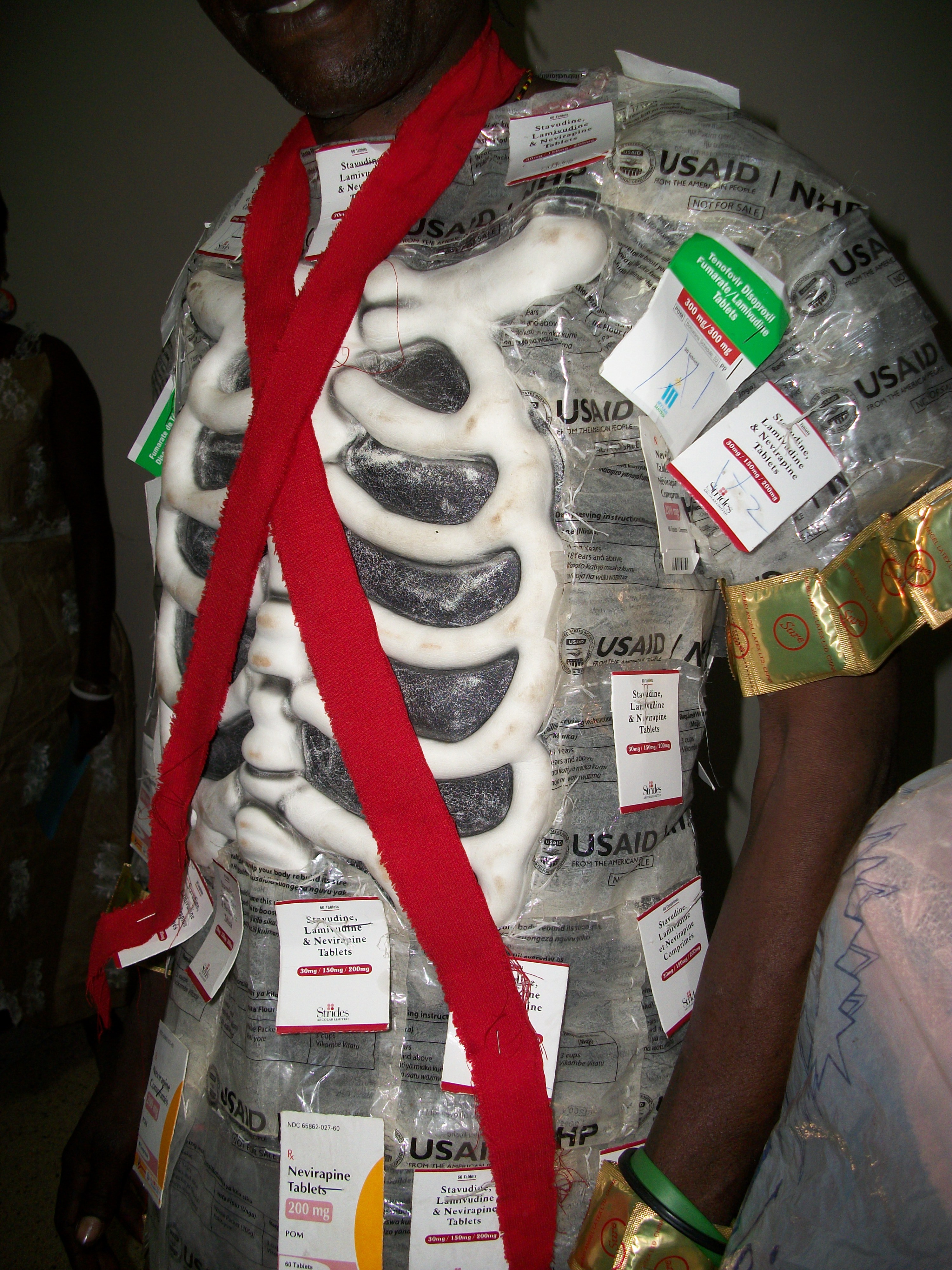
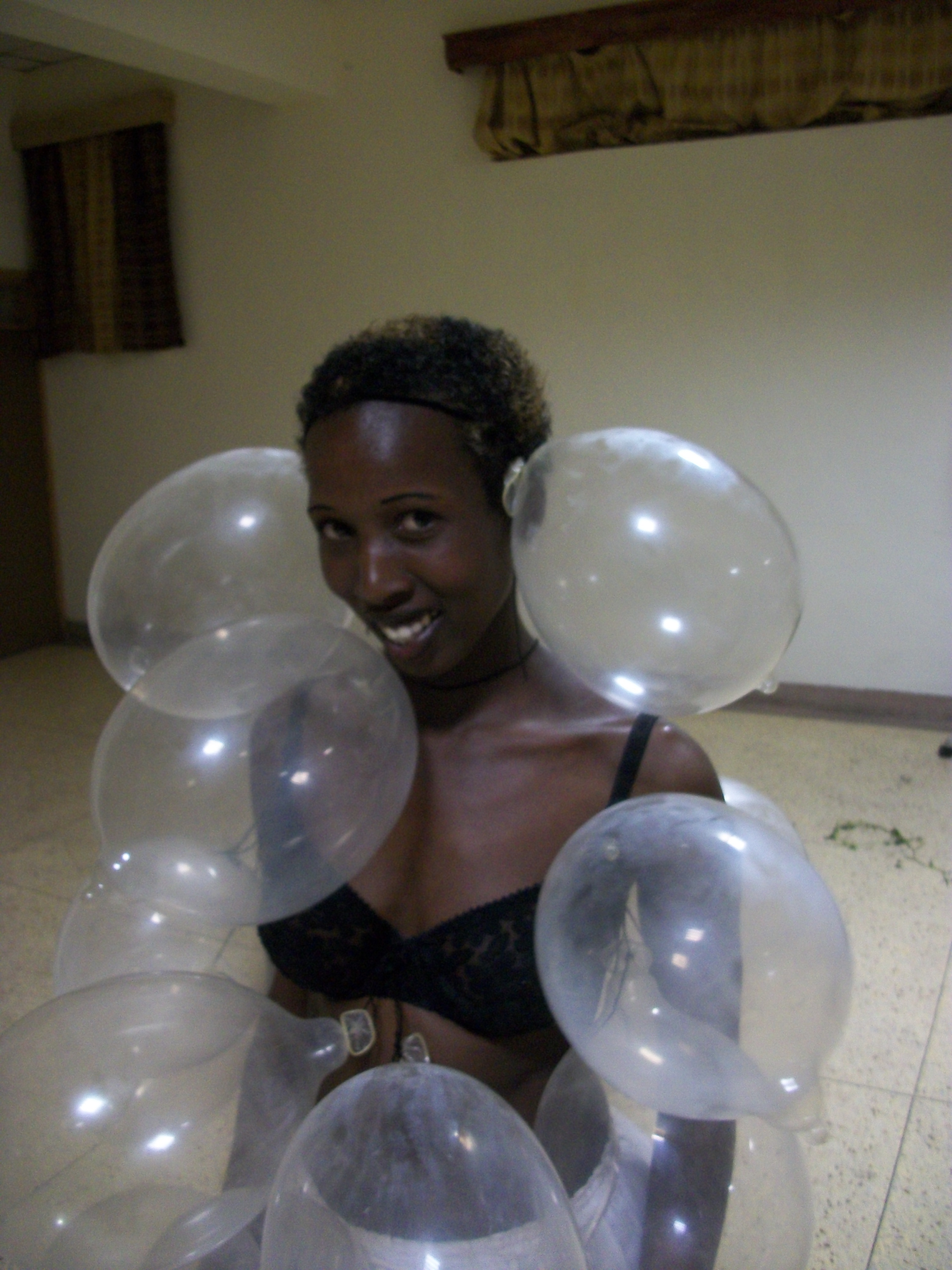
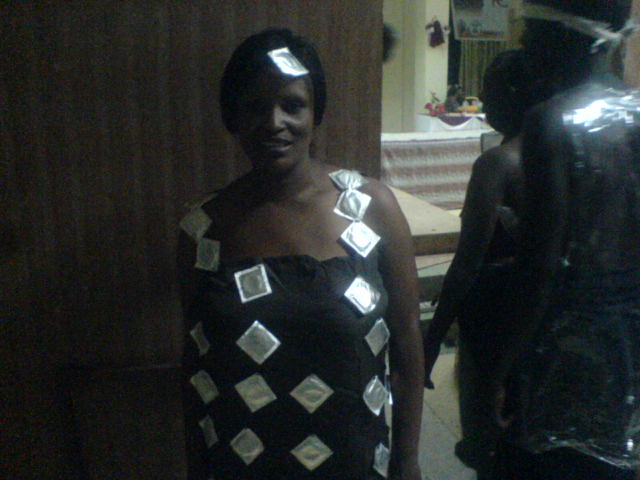
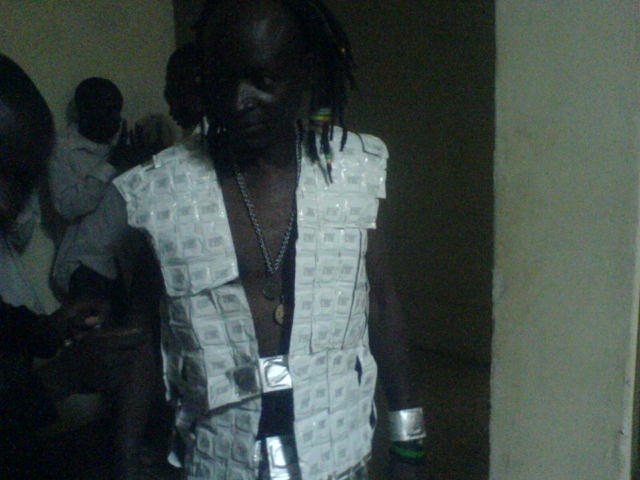
 In the Creative category the crowd saw how far the minds could go when imagination runs wild. Peter Ayiera dressed in big leaf, what thrilled people ware cloths made out condoms it was a design worth watching.  Everything was slowed to a crawl when the evening wear category as the contestants took their time on the runway. Beauty is what you see and feel, the audience felt beauty in the air, evening wear both classic, creative and modern.   

When the judges made the cut Abdalla Abdullahi, Scholastica Juma, Peter Ayiera, Naomi Maina, Jane Wahu, Peter Onyango and Alice Njoki were declared to be in the final seven.  They then proceeded to question time where the final seven were required to dig deep into their knowledge of HIV/AIDS issues.

There were speeches from Ian Wanyoike of National Organization of Peer Educators, Hannington Onyango of National Aids Control Council and Dr. Haile Girmay  of UNAIDS. Dr. Haile talked about the history of aids in the last twenty years, he also said that we should test before Monday during the world aids day, he also reminded the audience present that it will be the twentieth world aids day celebrations. He started with a dance which he used to pass his message across. He also insisted that we should all know our status. Sarah Kamau of Christian Children’s Fund gave the vote of thanks. Peter Ayiera was declared second runner overal and Alice Njoki was crowned the miss red ribbon 2008 Peter Ayiera was crowned Mr. Red Ribbon 2008.

The role of the two winners will be to organize outreaches in the community with the main goal of eradicating stigma in the community.  

the peace caravan by James Karongo

Wednesday, June 18th, 2008

Our stay at the Naivasha Stadium IDP camp came to an end and after breakfast, we went into un-pitching our tents and clearing our stuff from our two nights home. We were sad to bid goodbye to our hosts at the camp and the Red Cross staff who had been most helpful in ensuring that our first experience as IDP’s had been most smooth. We left Naivasha Stadium at 8am and started our journey to Nakuru.

At shell filling station in Nakuru, we were again sad to bid farewell to our visiting team who were proceeding to Molo for further visits. We proceeded to Nakuru Players theatre where we were to pitch tents for the next 48 hours. There we found our hosts – REPACTED ready for us and James Karongo, a member of REPACTED who was also with us on the caravan went ahead to show us our camping site and together with his colleagues from REPACTED made us feel at home.

After our sleeping quarters had been secured, we left for the Afraha Stadium IDP grounds to do abit of ground breaking but it did not start very well as someone had warned them to be harsh with strangers incase they were government agents sent to convince people to go back to their homes. Any way by the end of the day, we had been able to get through to some of them and went ahead to have useful discussions and also tried to understand their plight as Nakuru IDP’s. We went back to our camp for supper and then had an early night out in preparation for the following day’s activities.

On this day we were to have three activities so we begun very early with our breakfast then started off.

Our first activity was to be at one of the most affected areas in the town – Free area/Kaptembwa. We got there and immediately went into mobilization which was followed by a drama performance by one of the local theatre groups REPACTED who had hosted us in Nakuru. Our acrobatics team then took over marveling the crowd which also worked well for us as a crowd puller. We were then able to split the crowd into smaller groups to which we introduced the idea if dialogue and they took up from there and engaged in a most educative and fruitful dialogue session between members from different communities. They also had the chance to chat for themselves a way forward which they believed was workable for them. We then left for our second destination.


Our next stop was another affected area – Kaptembwa. Again we engaged in a fruitful mobilization making use of the theatre group and caravan participants to notify the crowds of our presence and our mission in their neighborhood. Here we had a curtain raiser by TEARS and REPACTED, our partners on the ground. REPACTED performed a skit while TEARS had a dance. We also had a performance by an upcoming artist from Nakuru –McJex. After this, we had caravan participants engaging the crowd in peace building dialogues after which they gave their opinions on the way forward. We then left for our last destination.


Our last destination was Menengai High school. Our history with the school goes back to the days of the violence when they were able to come up with an educative skit on living well as neighbors from different tribal communities. Having also graced our launch in Nairobi, it was only befitting that we honor their invitation to visit them in their school where they hoped to share with us positive ideas of how we could further pass our peace message in the course of the caravan and true to their word, it became a learning experience for us. After having lunch with them, they got to business and took us through a number of thematic games that emphasized on team work where we were also encouraged to participate. After the games, they explained to us the ideas behind the games and what message they were meant to portray most of them being on team work and the importance of togetherness. We then engaged them in talks on peace building since some students in the school were actually living as IDP’s and how they could be of positive influence to their fellow students in times of conflicts. After a few other entertaining performances, we decided to end the day after a word from the teacher in charge and headed back to our camp at the theater.

We had our supper then joined our hosts, for a few minutes of peace building discussions and they were led by their leader gave us more tips and encouraging words on how to go about our journey. We then decided to call it a night and got back to our tents for a long deserved rest.


stigma during community theatre outreaches

Wednesday, May 28th, 2008

It is emerging in our Magnet Theatre outreaches in the community that reduction of stigma and discrimination in the community is mirage. Stigma and discrimination needs a creative approach because it is affecting the fight against HIV from all angles. Giving out condoms in public is still a problem. During the outreaches young people take condoms in secrecy they don’t want to be seen by the community because the community will associate them with sexual intercourse.

Walking into a VCT centre for most young difficult because in one way or other they have had unprotected intercourse with a person of unknown STI status because of the stigma associated with free condoms given in public and buying a condom in the home shops. Most young people ask very many subspecies questions and concerns on VCT, HIV and AIDS. Why should I go for VCT while my partner is negative? There is no need for VCT while I know that am dying; in one way or another all of us will die so why waste my time going for VCT, why use a condom when we know that we are infected? 

And when we carry out mobile VCT all of them who attend the sessions come out smiling and saying that they are ok. If condoms and VCT services are facing such tough stereotype at the community level what about access to reproductive health services by the youth. A good number of young people can not point out stigma and discrimination as community problem, but they acknowledge that there are some behaviors and attitudes that discriminate against people infected and infected.

In one of the magnet theatre session in Manyani the audience helped to condemn a behavior by one of the cast members acting as an HIV positive person. But with timeline a game used to elastrator the theatre process they agreed that they action against character could lead to many things including self stigma because of the enacted stigma from the community members.

Updates finally

Tuesday, May 20th, 2008

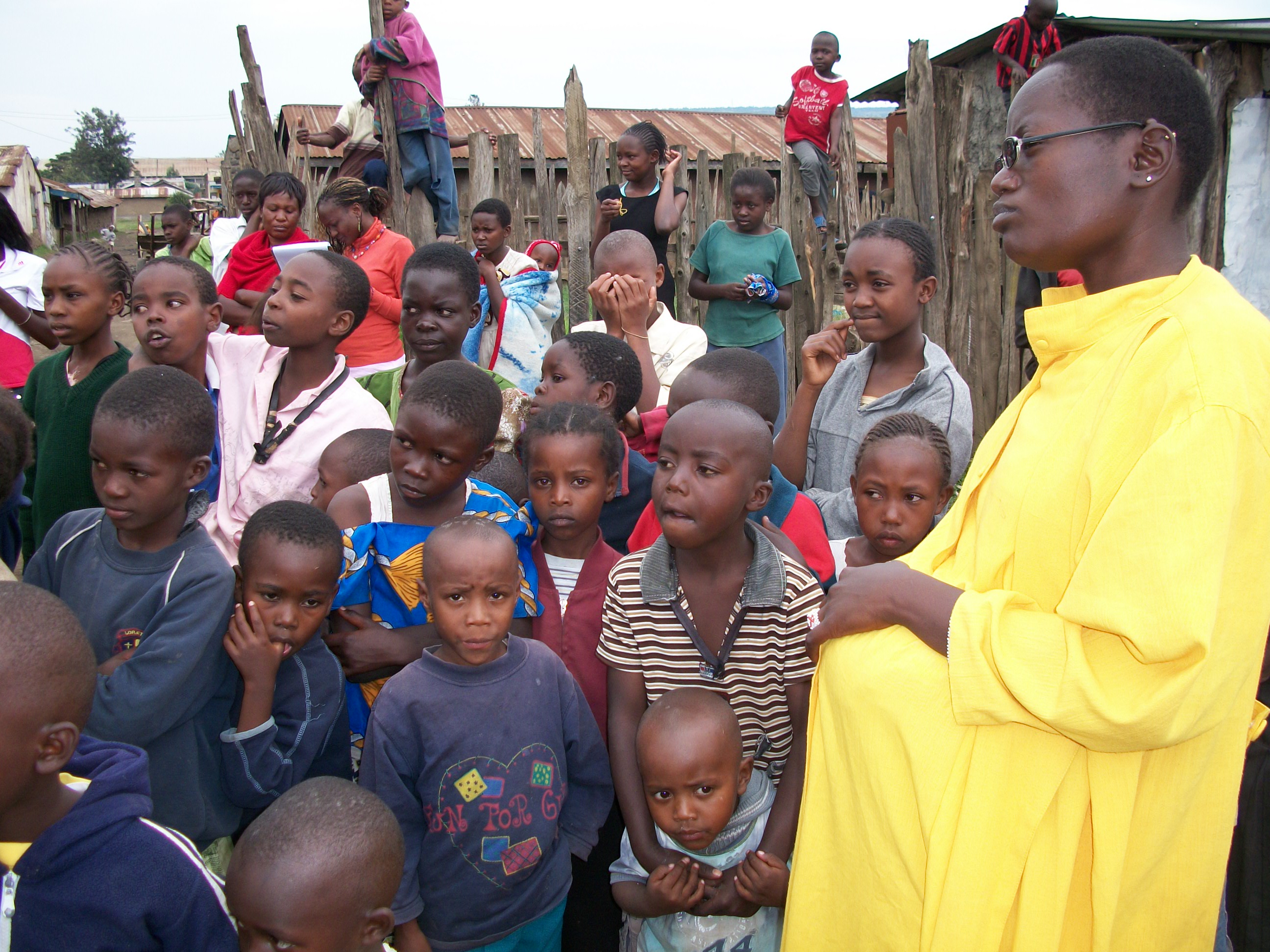
In this picture some of the young people who were displaced after the violence in the camp waiting to here about the project and how it will help in the resettlement efforts.

picture-1.png

After months of anticipation finally 3 weeks ago we received our 1st deposit of the grant and immediately the team went to work already we had potential young people from the community who were ready to take part in the project, we called them together and discussed on how we want to go ahead with the training as a kick start to the project, we have been deliberating and have agreed that we want to make the project as community-owned as possible. In the same breath we went to the community with the team and sought out views of different people in the community, including the government representatives on the ground.

picture-2.png

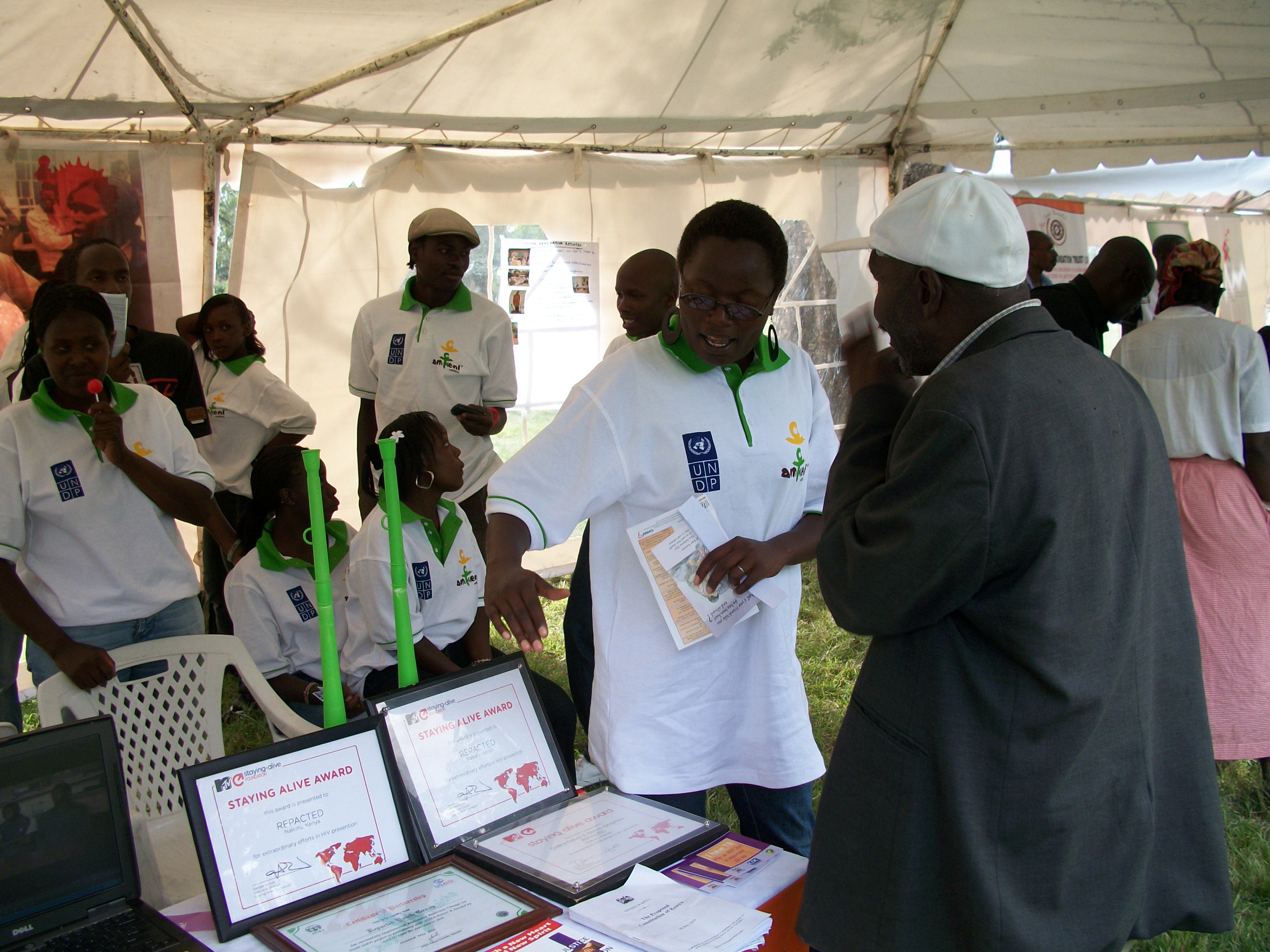
As seen above, members of REPACTED are mobilizing community members for discussions while at the same time giving the community an important forum to discuss health issues that they would otherwise not discuss in there homes because of taboo.

We agreed that it is important to focus in the beginning with individual stories of community members who have been instrumental in ensuring that we have peace in our country at the community level and people don’t know about this will help in showing other that they too can help in ensuring that we have everlasting peace and we don’t go back to fighting. The methodology that we will use is by taking video and stories to the community and show them in the villages and the community places for people to see and we will focus on the worst hit areas of Nakuru hoping that the same can be replicated elsewhere in the country.

In this regard we are hoping to work with various institutions to make the project a success and have an impact not only to us but the whole community at large we will be focusing on the issue also of helping young people achieve there dreams in life. Especially in the enhancement of there use in digital equipment. This is the beginning of weekly updates of the project stay on. And kudos to Joan for updates every now and then.

33.png

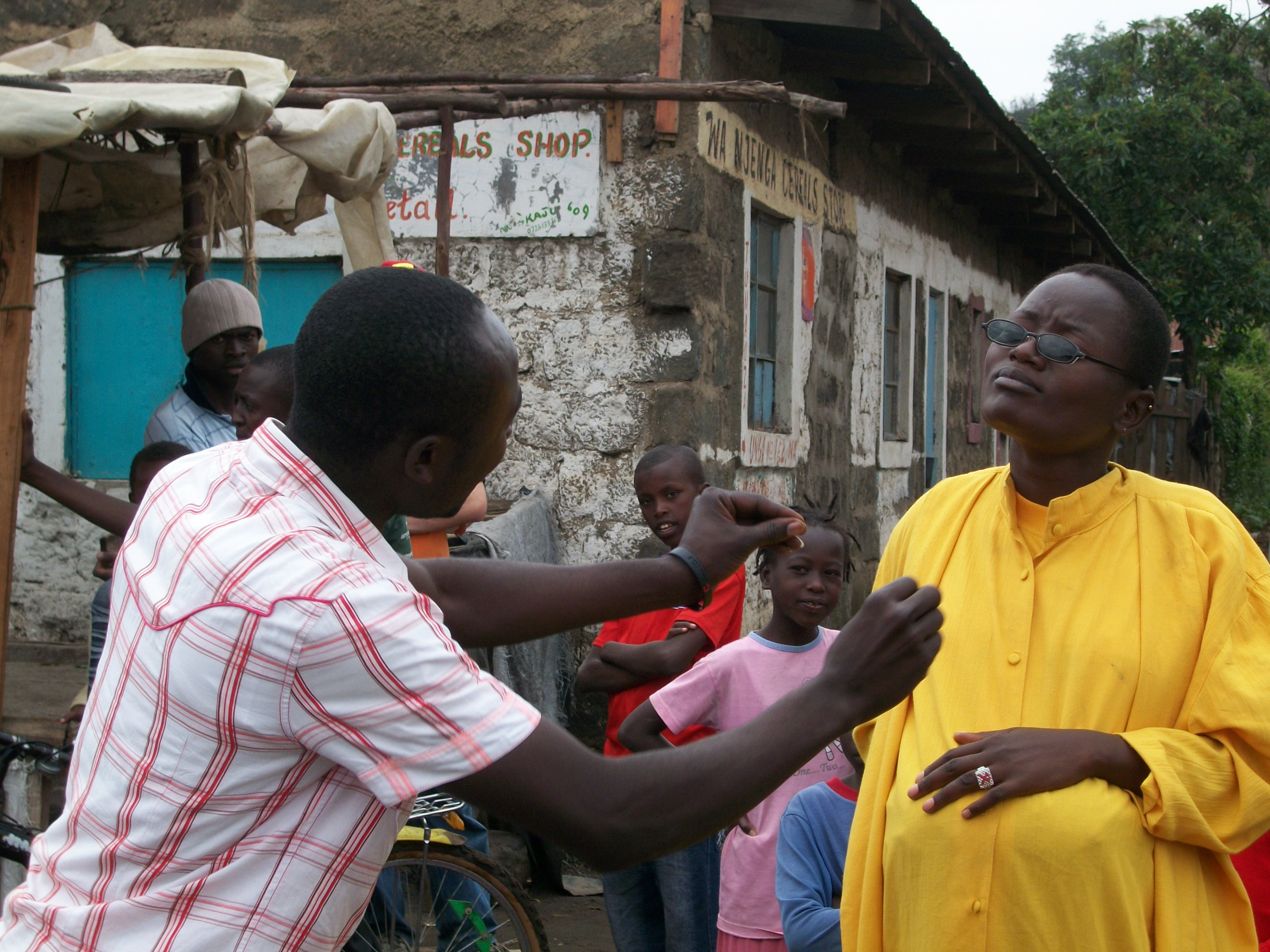
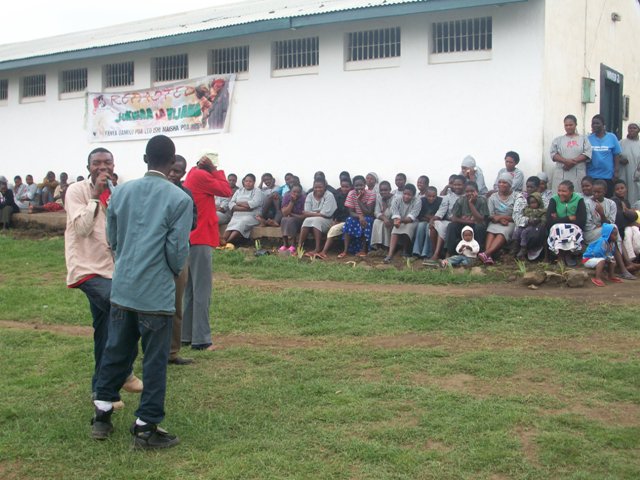
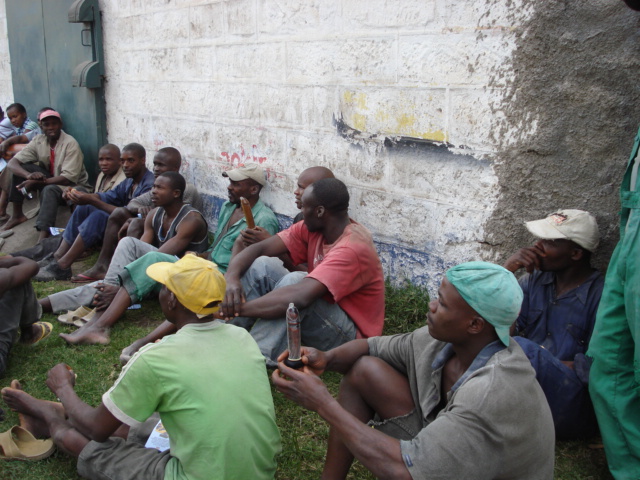
In this photo is Laban, a member of REPACTED, talking to some of the young people in the community on issues affecting them and how they can address them or bring them out to the general public to be able to be assisted.