
Stories about Languages

Getting to know Andria Piciau: A Q&A with a Sardinian language activist
Europe's linguistic diversity is increasingly finding a home online. Rising Voices’ @EuroDigitalLang campaign showcases narratives from language activists such as Andria Piciau, who will be sharing digital initiatives working with the Sardinian language.
“Greetings from…” Oratile Olivia, a Setswana language digital activist from South Africa
Rising Voices invites you to join us for the fifth episode of the "Greetings From..." series with this piece featuring Setswana language digital activist Oratile Olivia from South Africa.
“Greetings from…” Surajo Teete, a Fulfulde language digital activist from Nigeria
Rising Voices invites you to join us for the fourth episode of the "Greetings From..." series with this piece featuring Fulfulde language digital activist Surajo Teete from Nigeria.
“Greetings from…” Siya Masuku, an isiZulu language digital activist from South Africa
Rising Voices invites you to join us for the third episode of the "Greetings From..." series with this piece featuring isiZulu language digital activist Siya Masuku from South Africa.
“Greetings from…” Lucy Iwuala, an Igbo language digital activist from Nigeria
Rising Voices invites you to join us for the second episode of the "Greetings From..." series with this piece featuring Igbo language digital activist Lucy Iwuala from Nigeria.
2nd Mayan Languages Summit gathers digital activists for collaborative learning and exchange
The 2nd Mayan Languages Digital Activism Summit, fostering learning and exchange among digital activists dedicated to promoting Mayan languages, will be held in San Cristóbal de las Casas, Chiapas, Mexico, January 17-20, 2024.
“Greetings from…” Umasoye, an Ekpeye language digital activist from Nigeria
Rising Voices invites you to join us for the premiere of the "Greetings From..." series with an episode featuring Ekpeye language digital activist Umasoye from Nigeria.

Battle of survival and expression in Jerusalem's Armenian Community
The Armenian community in Jerusalem, rooted in the fourth century, faces a dire battle for survival, grappling with challenges that threaten not only their freedom of expression but their very existence.

Iraqi Assyrians struggle for freedom of expression amid political and extremist threats
Ongoing oppression, ethnic and sectarian conflicts, and political unrest have greatly reduced the Middle East's Assyrian community, endangering their 3000-year-old Assyrian language in its native Middle Eastern home.

How Kurdish language divisions hinder access to information
The ongoing disputes among Kurdish languages and their lack of standardization create obstacles to accessing online information, impedes the flow of information, and curtails active participation in the digital realm.
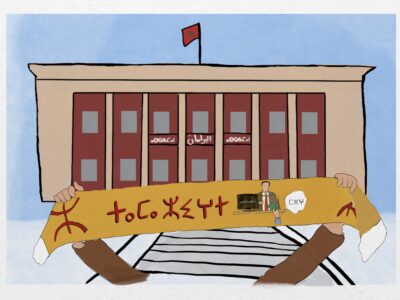
ⵉⵏⵉⴳ ⵏ ⵉⵎⴰⵣⵉⵖⵏ ⵙ ⵓⴷⵔⴰⵡ ⵓⵖⵔⵉⵎ ⵣⵉ ⵓⵙⵙⴷⵓⵙ ⵏ ⵉⵣⵔⴼⴰⵏ ⵏⵏⵙⵏ ⵉⵙⵏⵉⵍⵙⵏ ⴳ ⵍⵎⵖⵔⵉⴱ
ⴰⵣⵔⴰⴽ ⵏ ⵉⵣⵔⴼⴰⵏ ⵉⵎⵙⵏⵉⵍⵙⵏ ⵏ ⵉⵎⴰⵣⵉⵖⵏ ⴳ ⵍⵎⵖⵔⵉⴱ ⴰⵔ ⵉⵙⵙⴷⵓⵙ ⴰⵙⵢⵉⵡⵏ ⴰⵏⴰⵎⵓⵏ, ⴰⵔ ⵉⵜⵜⴰⵡⵙ ⵉⵎⵙⵍⵎⴰⵣⵉⵖⵏ ⵅⴼ ⵓⵎⵙⵙⵉⵏⵉ ⵙ ⵜⵍⴻⵍⵍⵉ ⵅⴼ ⵜⵎⴰⴳⵉⵜ ⴷ ⵜⴷⵍⵙⴰ ⵏⵏⵙⵏ, ⵉⵍⵍⵉ ⵢⴰⴽⴽⴰⵏ ⵜⴰⵎⵔⵏⵉⵡⵜ ⴳ ⵓⴷⵔⴰⵡ ⵓⵖⵔⵉⵎ. (Amazigh translation of the English translation)

Preserving Australia's Indigenous cultural intellectual property in digital storytelling
Anissa Jones, an Indigenous educator, employs technology to persevere the Dharug Dhalang language. Her Puliima presentation emphasizes digital storytelling and preserving Indigenous Cultural Intellectual Property through technology and community involvement.
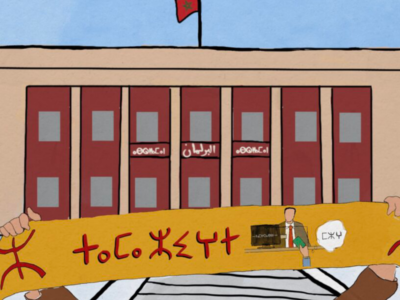
Morocco's Amazigh pursue civic presence through linguistic rights
Respecting the linguistic rights of the Amazigh people promotes social integration and allows speakers to freely express their culture and identity, which results in increased civic engagement.